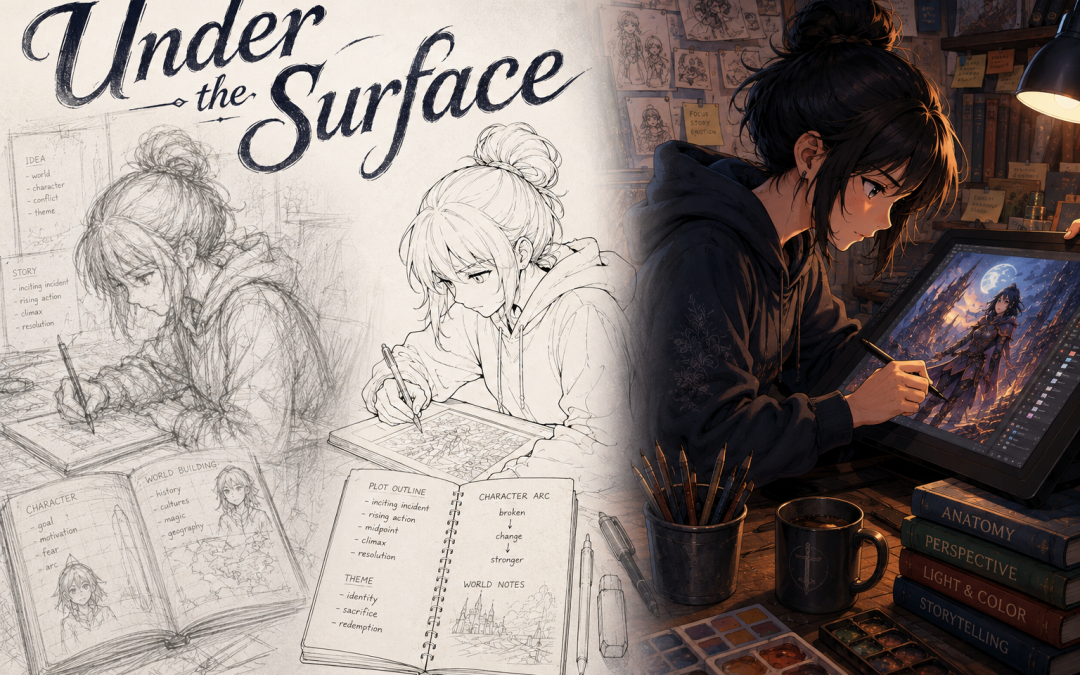
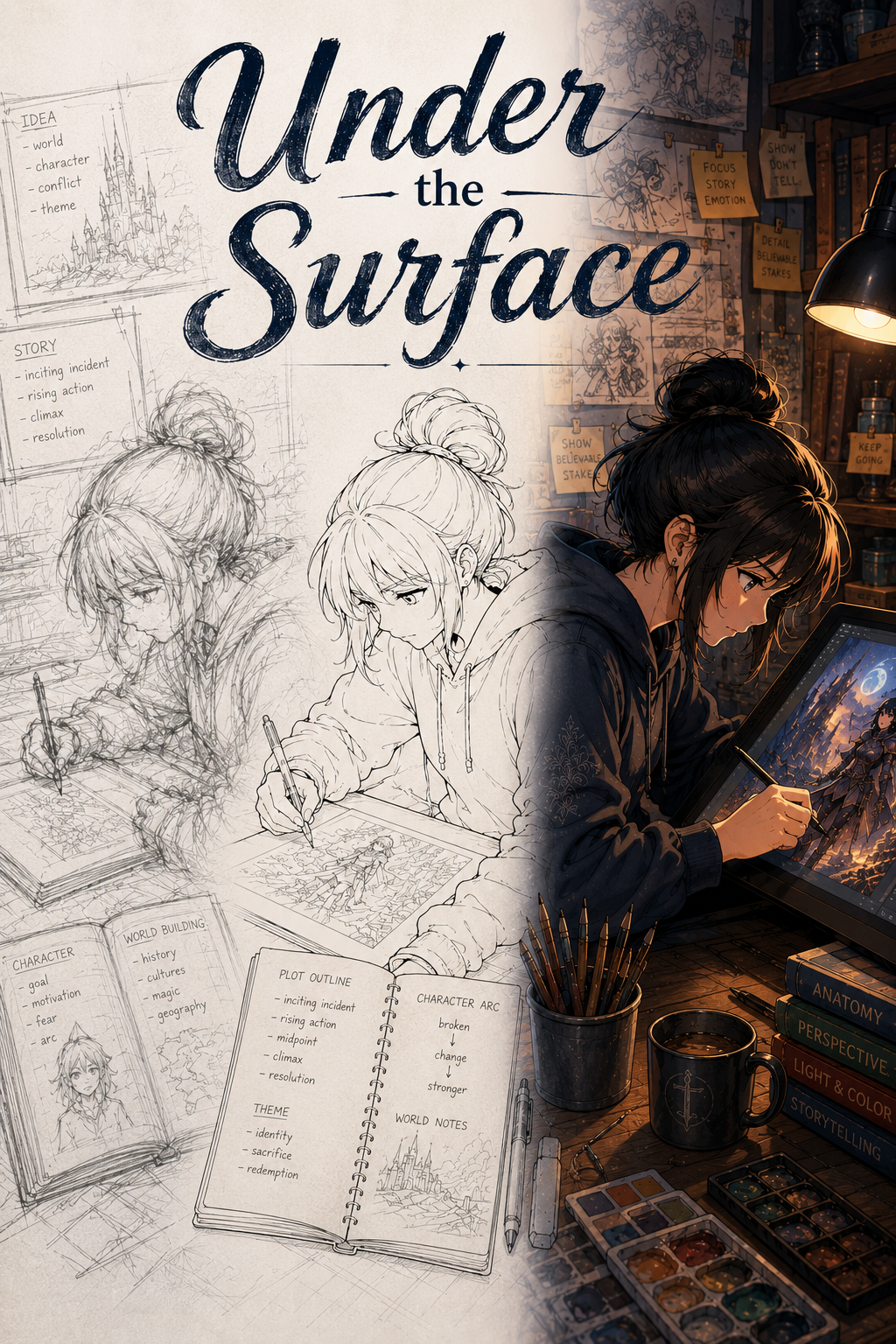
Before you pick up a digital pen, open a manuscript, or rely on the latest creative software, ask yourself an important question: If the tech vanished tomorrow, could I still build this? We live in an era dominated by automation, smart algorithms, and instant presets designed to hide complexity behind smooth interfaces. But real creative independence isn't built on knowing which buttons to push; it’s built on understanding how things work beneath the surface. When you master the fundamental mechanics of your craft, you stop being a passive operator of tools and become the true engine behind your work. There should be nothing a machine can do for you that you don't fundamentally understand how to do yourself.
Pin This Post
While Working at NASA
The desk was cluttered with notebooks and manuals, but the tension in the room wasn't about missing documentation—it was about a system stalling. Back when I worked at NASA, a crucial piece of legacy hardware had ground to a halt. It was an ancient setup, so old that nobody on the current team truly understood its inner mechanics. Brilliant minds stared at the schematics, completely stuck.
Desperate, management called in a retired specialist who had spent his entire career working on that single, obscure system.
He didn't bring a massive toolkit. He simply walked up to the unit, listened to the faint hum, pulled a screwdriver from his breast pocket, and turned one tiny screw a quarter turn. Instantly, the system sprung back to life.
When accounting asked for an itemized invoice for his $1,000 fee, his breakdown was simple:
- Turning the screw: $5.00
- Knowing which screw to turn: $995.00
What that taught me
That moment stayed with me long after I left NASA, and its lesson carries a vital truth for the creative world: there should be nothing a tool can do for you that you don't know how to do yourself.
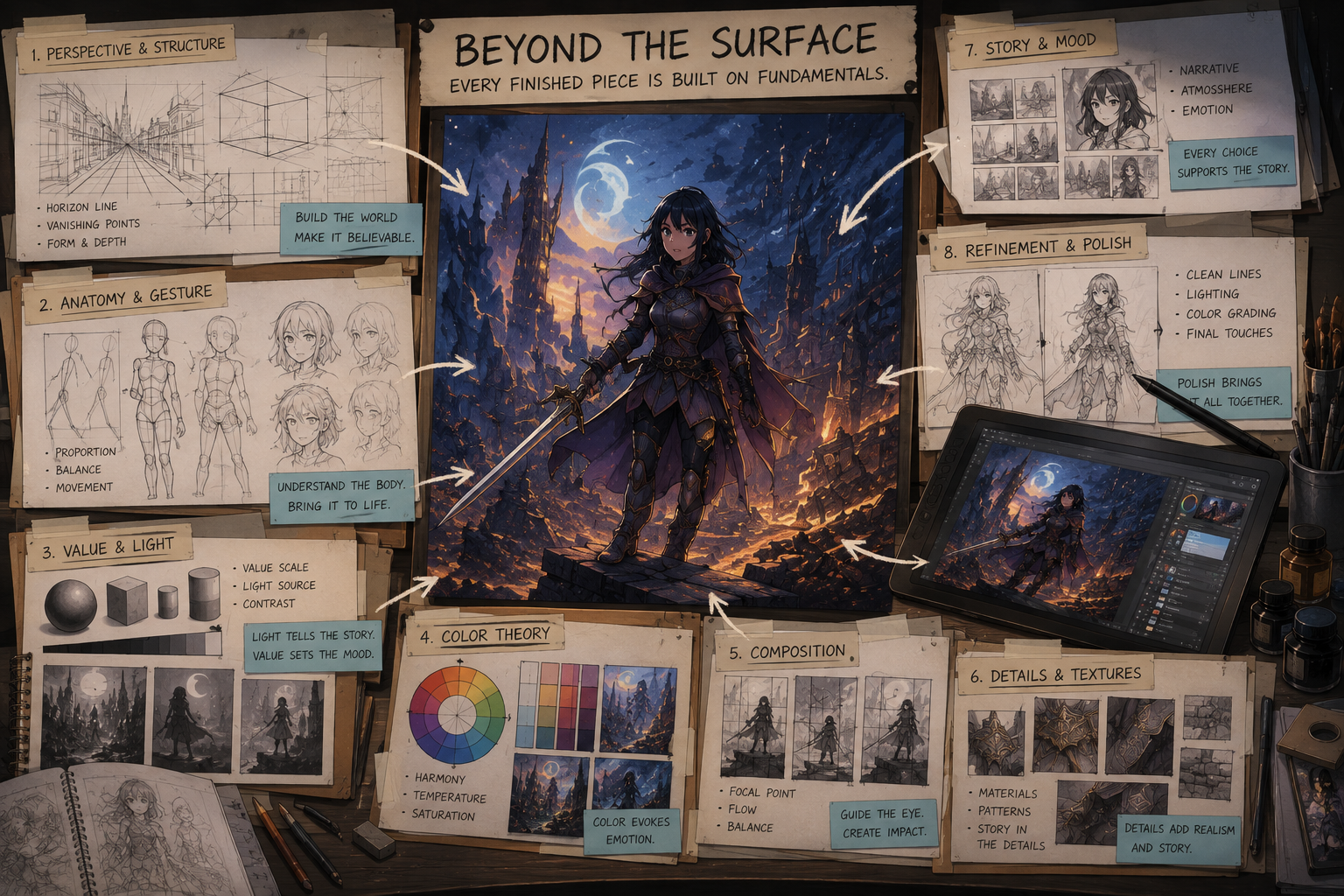
As writers and visual artists, we are surrounded by shortcuts—AI generators, digital presets, automated prose aids, and algorithmic trends. While these tools can speed up execution, relying on them without mastering the underlying craft leaves you vulnerable. When an automated tool gives you a flat result, or a shortcut ruins the foundation of your project, a machine cannot fix itself.
The master painter uses digital brushes, but they understand lighting, value, and color theory well enough to paint it by hand. The master author uses software to organize complex plots, but they understand human psychology, scene economy, and narrative pacing deeply enough to build a story from a blank page.
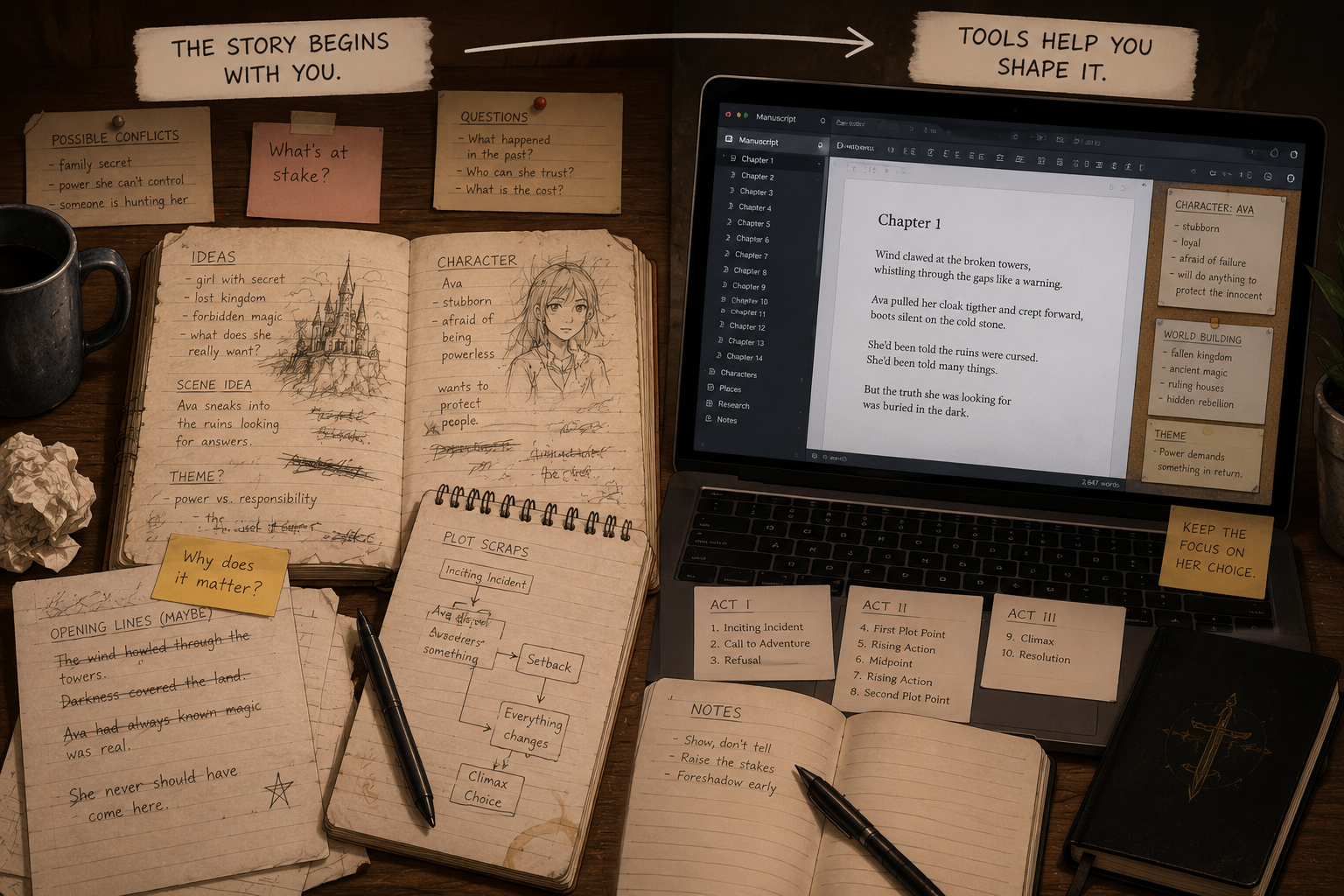
Tools are meant to amplify your skills, not replace your understanding. When you master the mechanics of your craft from the ground up, you maintain absolute control over your work. Technology can speed up the process, but when your project hits a wall, the most valuable skill you possess is knowing exactly which screw to turn—and why.